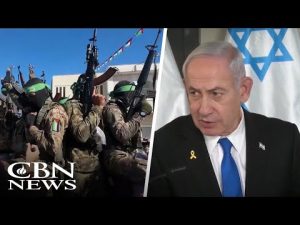
In recent developments, Israeli Prime Minister Benjamin Netanyahu has taken a determined stance regarding the ongoing conflict with Hamas. He has emphasized that before any reconstruction efforts in Gaza can begin, Hamas must be disarmed. This declaration aligns with a broader principle held by many in the evangelical community: that peace and security can only be achieved through justice and truth. Netanyahu’s insistence on tackling the disarmament of Hamas highlights the significant moral urgency of ensuring safety for Israel and the surrounding regions.
As Israel continues to grapple with the realities of conflict, the prime minister’s focus includes the return of hostages and the prevention of future threats. This reflects a biblical principle found in Proverbs, where wisdom counsels that the preservation of life is paramount. Netanyahu has drawn clear red lines, stating unequivocally that no reconstruction will precede the demilitarization of Hamas. This stance resonates deeply with the evangelical emphasis on justice; protecting innocent lives and fostering environments free from terror speak to the values many hold dear.
Netanyahu expressed strong opposition to the establishment of a Palestinian state in Gaza, asserting Israel’s right to maintain security control. This assertion is significant, as it mirrors conversations within the evangelical community about the biblical land of Israel and the covenant that God made with His people. Many evangelicals view Israel’s security not just as a political issue, but as a deeply spiritual one that involves the fulfillment of biblical prophecy and the protection of God’s chosen land.
In addition to security concerns, attention shifts toward Iran, which remains a looming threat. Netanyahu warned that Israel would respond forcefully should Iran make the mistake of launching an attack. This sentiment presents a call for vigilance, paralleling the idea that nations must stand firm against those that promote tyranny and oppression. The plight of the Iranian people, some of whom are currently protesting against their government, echoes a universal struggle for freedom—an ideal that many in the evangelical community champion based on their belief in the inherent dignity and worth of every individual as created in the image of God.
Meanwhile, discussions surrounding U.S. military responses add another layer of complexity to the situation. The potential for military action against Iran raises questions about the moral implications of such decisions. Evangelicals often find themselves reflecting on the need for righteousness in international conduct. As leaders and citizens alike navigate these tense waters, the call remains for prayers for wisdom, peace, and justice, recognizing that the pursuit of truth often requires difficult decisions in the face of adversity.
Through Netanyahu’s firm leadership and the broader geopolitical landscape, the safety and moral integrity of the region remain crucial concerns. In every aspect, from the disarmament of Hamas to the fight against tyranny, the invocations of faith and morality challenge believers to engage with current events through a lens of Scripture, encouraging actions that align with their values and the teachings of Christ. With hearts united in prayer and action, those within the evangelical community can seek to support efforts that promote peace and protection for all individuals in the region.