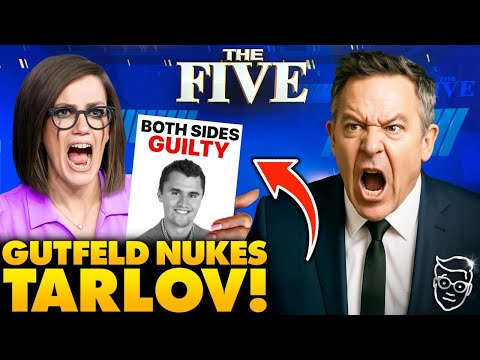
In the realm of political discourse, the left and the right have always danced to a tune of ideological ping-pong, each accusing the other of outright lunacy while claiming the high road. This week, the narrative took a head-scratching twist as a tragic event brought forth a flood of contradictions and finger-pointing. Picture the scene—an ideological theater where there’s a call to unite, but only after a tragic murder has left the national mood darker than a midwinter night. According to some conservative voices, it’s a play laden with dramatic irony. After Charlie Kirk’s death, certain commentators argued, unity must not be sought under false pretenses. If hands are dirty, they say, you don’t shake them.
The left’s penchant for shedding tears and extending olive branches might seem commendable to some, yet in the eyes of some conservative voices, it’s akin to setting the barn on fire and then offering a garden hose to the firefighters. The stance is clear: there’s no blame-sharing here, no polite “both sides do it” that covers the tragic events under a cozy blanket of mutual culpability. Instead, the argument is that this narrative of shared guilt is not only misleading but also wildly insulting.
The terms of engagement in this ideological battle are starkly drawn. In the conservative camp, the belief is that the left’s talking points are mere rationalizations for their detachment from reality. There’s a deep-seated fear that acknowledging any wrongdoing on the left might just unravel the narrative that they consider themselves the good guys. This, as portrayed by some voices on the right, leaves left-leaning individuals grasping for justifications as though grabbing at straws in a storm. The fear of crumbling self-images looms large as they find themselves defending the indefensible.
The conversation isn’t empty of irony. It’s like a cosmic joke playing out where both sides vehemently declare the other as the villain, each sure of their own righteousness. Refusing to buy into the shared blame narrative embodies a broader sentiment—that of a conservative base weary of what they view as liberal platitudes and ready to cut through what they perceive as duplicity. This is where the fun begins, says some commentators, declaring the left’s calls for peace as laughable when juxtaposed against a backdrop of chaos they allegedly inspired.
Thus, you have a vividly charged arena where the discourse is anything but dull. Amid the turmoil, one thing remains clear: the cacophony of media voices continues, each clamoring to shape the story to fit neatly within their ideological framework, a narrative puzzle where the edges are never quite meant to interlock.