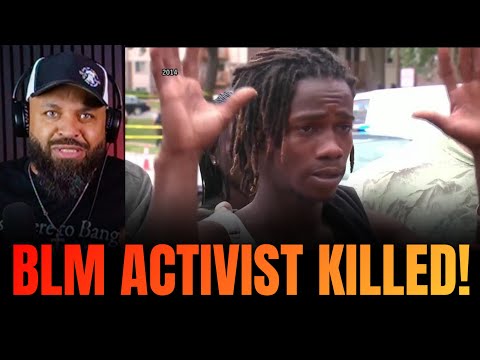
In a world where narratives often resemble twisted soap operas, a recent event has stirred up emotions and discussions that could make even the calmest person raise an eyebrow. Dorian Johnson, the friend of Michael Brown Jr., recently became a headline maker again—not for something he did that was virtuous, but rather because of his tragic and untimely death. Johnson was with Brown during that fateful encounter with police in Ferguson over a decade ago, a moment that set off a movement and brought a lot of attention to systemic issues in America. Fast forward to today, and you find yourself scratching your head, trying to piece together this tangled web of fate, friendship, and, yes, hypocrisy.
First off, let’s dive into the irony of the situation. Johnson was involved in the Ferguson incident where Brown was shot and killed, and now, years later, he meets the same fate. You’d think life would offer a bit of wisdom here; you know, the kind that makes you reconsider your choices. But alas, here we are, having a conversation about a man who gained infamy for his involvement in a robbery just before his friend’s tragic death and then, ironically, falls victim to gun violence himself. There’s a certain tragic poetry to that, isn’t there? Almost like a Shakespearean play but with more social media outrage instead of tragic soliloquies.
The reactions that have poured in since Johnson’s death are a mixed bag of mourning, celebration, and, believe it or not, debate over whether the man was a ‘legend’ or simply a guy who made some poor life choices. Some folks are calling him a hero in the Black community for his association with the Black Lives Matter movement. When you think about it, that’s like declaring a celebrity a hero because they once starred in a movie that you liked—without checking their tax records or character references. Johnson’s story, while undeniably sad, doesn’t quite fit into the neat little box of righteousness that some are trying to force it into.
Let’s also take a moment to consider the glaring double standards at play. Back when Ferguson was alive with protests and the fight for justice was heated, folks were ready to march in the streets for Michael Brown, but where are those same fervent voices now that Johnson, a prominent figure in that narrative, is gone? The answer is complicated, as it often involves parsing through the layers of emotional investment and political motivations. If a black man is shot by another black man, does it get the same airtime? Spoiler alert: it typically does not. It’s like nobody wants to talk about the elephant in the room—everyone is fine discussing police brutality when it fits the narrative, yet a tragedy among the same community doesn’t seem to spark the same fire.
Now, if you’ve been tuning into any news lately, you’ll know that much of the chatter around Johnson’s legacy centers on the issue of crime and whether his life trajectory was indicative of the larger problems in society. Some people argue that Black Lives Matter should stand firm on the idea that all black lives matter, regardless of who ends them. While that sentiment is noble, you’ve got to wonder why the outcry isn’t as loud when the perpetrator doesn’t fit a convenient mold. If Black Lives Matter is truly about saving lives, it shouldn’t pick and choose which black lives deserve remembrance over others. But then again, reality is rarely that tidy.
As folks take to social media to express grief and commemorate Johnson, many are also left with questions: Was he a role model? A victim of society? A product of his circumstances? The honest answer is that he was likely a complex individual with many layers, just like the rest of us. But as we navigate through the noise and the outrage, one thing becomes increasingly clear: it’s essential to take a step back, do our due diligence, and recognize that while narratives can be compelling, real lives are often infinitely more complicated than any headline can convey. And let’s be real—when it comes to legacy, a life’s worth can’t be measured solely by the moment of death, especially when that life was intertwined with actions that raised eyebrows and shook heads long before the final curtain call.