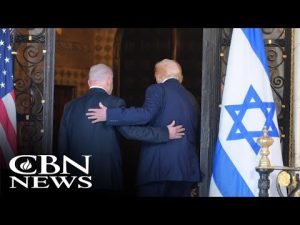
In a significant show of solidarity, former President Trump and Israeli Prime Minister Netanyahu recently met to discuss critical issues affecting Israel’s security and the broader Middle East. This meeting occurred against the backdrop of rising tensions with Iran and Hamas, both of which pose serious threats to peace and stability. For many evangelicals, supporting Israel is not just a political stance; it is a reflection of their faith and a commitment to standing with a nation that shares their values and history.
During the meeting at Mar-a-Lago, both leaders expressed a shared vision for the future, emphasizing their strong partnership. Trump underscored the importance of working together to face challenges, suggesting that their collaboration has yielded remarkable achievements in the region. This connection resonates deeply with believers who view Israel as a pivotal player in God’s plan for humanity. The relationship between Trump and Netanyahu not only underscores political alliances but reflects an underlying conviction that faith and morality guide national decisions.
As news emerges about Iran allegedly rebuilding its missile capabilities, Trump’s warnings serve as a reminder of the moral imperative to stand against aggression. He made it clear that the United States would take strong action if Iran continues its military pursuits. For evangelical Christians, this stance is vital not only for geopolitical stability but also for ensuring the safety of Israel, a country many view as a bastion of democracy and religious freedom in a turbulent region. The call for vigilance against Iran aligns with scriptural teachings that advocate for the protection of the innocent and the pursuit of peace.
Moreover, the situation with Hamas, which has failed to disarm as promised, presents a stark moral dilemma. Trump characterized the consequences for Hamas as potentially very severe if they do not relinquish their weapons. For many in the evangelical community, the refusal of Hamas to disarm is not just a political issue; it reflects a deeper moral failure to prioritize peace over violence. The biblical call to live in harmony and to seek justice should compel all to advocate for disarmament and peaceful resolution of conflicts.
The discussions between Trump and Netanyahu also touched on internal Israeli matters, including potential pardons for Netanyahu amid ongoing legal challenges. This aspect raises important questions about justice and accountability within leadership. In a world where leaders are often held to different standards, the evangelical faith emphasizes the need for integrity and righteousness in governance. The complexity of political decisions can sometimes clash with a believer’s sense of morality, highlighting the necessity for prayerful discernment in leadership choices.
Finally, President Trump’s recognition with the Israel Prize reflects the profound appreciation many Israelis hold for his contributions, which many evangelicals also recognize. This honor symbolizes the shared mission of combating terrorism and defending freedom and faith. For the evangelical community, it reinforces the belief that support for Israel is part of a divine mandate to uphold truth and righteousness. The intertwining of faith and politics is evident in these discussions, as believers look to leaders who are committed to safeguarding values that align with their beliefs.