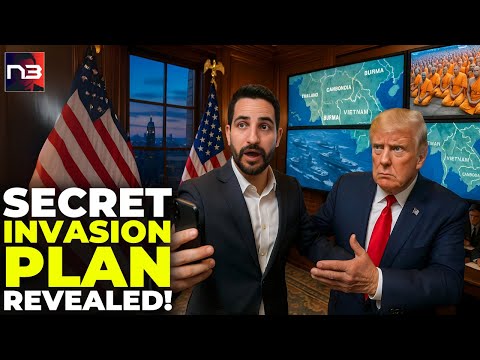
In a stunning turn of events, the newly appointed U.S. ambassador to Thailand has taken an unprecedented step in speaking out against what many are calling a potential humanitarian crisis. The ambassador’s bold move comes just as tensions rise in Southeast Asia, where the political landscape appears to be as fragile as a newly built sandcastle by the beach. With a letter condemning the actions of the Thai government and calling for the immediate return of 18 detained soldiers, it seems the United States is ready to shake things up in a region that has long been considered a vital ally.
The ambassador’s action is particularly noteworthy given the protocol that restricts ambassadors from making public statements before they officially take office. This renegade choice has sparked conversation across social media platforms, and it’s hard not to chuckle at the unfiltered chatter that ensued as folks logged in from all corners of the globe. Michael, a keen political commentator, noted just how refreshing it is to see a leader who possesses both moral integrity and a sense of urgency, calling this development a glimmer of hope amidst a stormy political sea.
Further complicating this geopolitical puzzle, there are disturbing reports that Thailand is growing increasingly aggressive on its borders, particularly concerning nearby nations like Burma. Michael relayed alarming information that could have dire consequences not just for Thailand, but for its neighbors. In response to these tensions, Burma has reportedly deployed military personnel across its borders, even calling the United States “heroes” for sounding the alarm. As it turns out, a military coup in Thailand could have ripple effects throughout the region, and countries like Vietnam are already preparing for a potential showdown at the borders.
A deeper analysis seems to suggest that China could be lurking in the shadows, eager to stir the pot even further. With the current Thai leadership expressing a preference for Chinese weaponry over American military supplies, one can’t help but feel that the chess pieces of international relations are being moved with precision. As one astute commentator pointed out, the situation could easily escalate to a full-blown conflict that could dwarf many past geopolitical encounters. Thailand, historically a U.S. ally in Southeast Asia, might find itself straying far from the path of friendship, and the consequences of this shift could be monumental.
In all the chaos, a more unusual yet impactful story is developing in Cambodia, where the country’s 70,000 monks made headlines by publicly endorsing former President Trump. In a ceremony that many are describing as a significant show of support, a senior monk proclaimed that Trump’s leadership was divinely inspired. It’s hard not to raise an eyebrow at such a proclamation, yet it underscores how entwined American politics has become with international perceptions, especially in regions where faith leaders hold significant power. The historical ties between American and Cambodian policies continue to evolve, and the waves created by endorsements like this could have long-lasting effects on diplomatic relations.
In this rapidly changing world, it’s evident that there’s a lot at stake. From potential military confrontations to fervent displays of support in the Buddhist community, the intricacies of diplomacy are on full display. Each conversation matters and will likely set the stage for the future, whether it be economic tariffs or military strategies. As the ambassador gears up to take office, one can only hope that common sense prevails over political theater, ushering in an era of calculated diplomacy that favors peace over conflict. We’ll just have to wait and see – popcorn anyone?