The ongoing conflict in Israel, particularly regarding the military operations against Hamas in Gaza, is a situation that weighs heavily on the hearts of many, especially within the evangelical community. It is a time when faith and morality intersect with the harsh realities of war. As Israel takes decisive action to secure its future, the implications of these developments stretch beyond the battlefield and raise questions about the spiritual and moral dimensions of the situation.
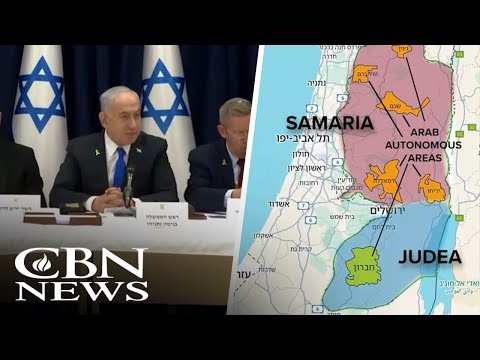
Israeli Prime Minister Benjamin Netanyahu has recently decided to pause discussions surrounding the annexation of portions of Judea and Samaria, a region of significant historical and biblical importance to the Jewish people. This decision comes in response to warning signals from neighboring nations regarding the potential repercussions of such actions on existing agreements, like the Abraham Accords. For many evangelicals, there is a deep-seated belief in the biblical right of the Jewish people to their land, making the discussions surrounding sovereignty and national security deeply intertwined with faith.
The geopolitical landscape surrounding Israel is complicated, and many evangelicals view the right to defend oneself and to maintain sovereignty as not only a matter of national interest but also of moral imperative. The narratives that emerge during conflicts can be fraught with misinformation and can manipulate public perception. Reports indicate that certain entities propagate a narrative that casts Israel in a negative light, portraying it as responsible for humanitarian crises while obscuring the actions of groups like Hamas that use civilians as shields. Recognizing these dynamics is essential for evangelicals who believe in truth and justice.
As the Israeli Defense Forces intensify their operations to combat Hamas and secure the release of hostages, it becomes clear that there is a profound moral obligation to protect all lives. Yet, this must be balanced with the understanding that while Hamas has accepted ceasefire proposals at times, they have also perpetuated violence. The call for hostages to be freed is paired with an acknowledgment that Hamas’s objectives often stand in opposition to peace efforts, as evidenced by the ongoing conflict. This context is critical for evangelicals who believe in advocating for peace while also recognizing the right to defend one’s homeland.
The situation is further complicated by international reactions to the conflict. Many nations struggle to comprehend the complexity of Israel’s position and the historical claims of the Jewish people to their land. Evangelicals are called to educate others regarding the scriptural foundations that support Israel’s existence and to stand against any efforts that aim to delegitimize the state. The reality is that for those who view Israel as a significant part of God’s plan, it is vital to share this perspective with a compassionate heart, encouraging dialogue that seeks understanding rather than division.
The ongoing conflict raises profound questions about faith, morality, and the responsibility of nations toward one another. For evangelicals, this situation is not merely political; it is an opportunity to reflect on how faith informs our understanding of justice, peace, and the pursuit of truth. The heart of the issue lies in the belief that every life matters and that the pursuit of peace must come with an awareness of the historical and prophetic significance of Israel and its people. As the community navigates these challenging times, the discourse must be rooted in love, respect for life, and a commitment to justice for all parties involved.