**Debate Over Civil Rights: A Spirited Exchange on Campus**
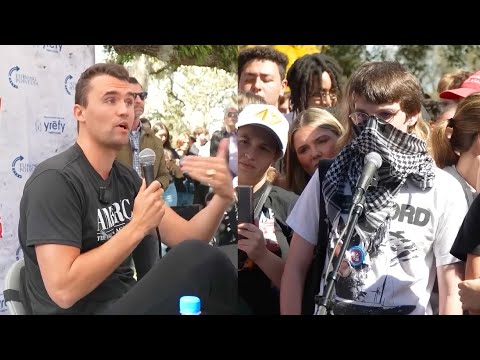
In a lively exchange between two college students, the topic of the Civil Rights Act and its implications sparked a heated discussion that echoed throughout the campus. At the center of this debate was the argument that the Civil Rights Act, intended to promote equality and justice, may have inadvertently created complications, especially when it comes to issues of affirmative action and college admissions. With one student expressing concern over how policy changes have impacted opportunities for white students, and the other countering with arguments emphasizing equity and understanding, the clash of perspectives brought forth a rich conversation relevant to today’s societal debates.
The first student, who spoke with a flair of enthusiasm, expressed his belief that the Civil Rights Act had ventured too far. He suggested that it created a bureaucratic “civil rights leviathan” that allowed for discrimination against individuals based solely on their race, particularly white students. He claimed that in a competitive application process, it has historically been harder for those with white skin to gain admission to prestigious colleges compared to their Black counterparts, citing elevated standards for white applicants as a bitter side effect of the act.
However, the student facing these claims presented a more nuanced take, arguing that systemic barriers have long existed for marginalized communities, leading to fundamental disparities in educational attainment. His point regarding equity resonated, claiming that different circumstances influence one’s opportunities. He suggested that affirmative action serves as a necessary intervention, ensuring that all applicants can showcase their potential despite the traditionally inequitable systems.
The debate continued as both sides grappled with the implications of their arguments. The first student, not one to shy away from controversy, proposed an unusual scenario in which a high-performing student might need to “share” their grades with a less fortunate peer. His intent was to highlight the absurdity of what he perceived to be unfair redistribution of merit. Meanwhile, the second student argued for a system that acknowledges varying backgrounds, contending that the playing field must be leveled so that all students have a shot at success—an idea fundamentally rooted in understanding rather than mere calculations of fairness.
As the two students continued to volley their viewpoints back and forth, the complexity of the topic became evident. It wasn’t just about race but also about the broader implications of how society defines fairness and justice. It is certainly a testament to the evolving nature of civil rights discourse in America today, one that encompasses merit versus equity, historical context, and the desire for real progress in educational environments.
This spirited debate invites all of us to ponder what the future of civil rights and equality truly means. Are we moving toward a society that values merit based on individual accomplishment, or one that equally values equity as a pathway to compensate for historical imbalances? As the discussion wrapped up with the two students acknowledging each other’s perspectives, it was clear they had opened the door to a broader conversation that transcends personal viewpoints—an enduring dialogue of a nation still grappling with the consequences of its past and the aspirations for an inclusive future.
While the topic may ignite heated discussions across campuses and dinner tables alike, it is through these exchanges that understanding can flourish. With both humor and intensity, the conversation serves as a reminder that civil rights, meritocracy, and equity remain hot-button issues, inviting all voices to the discussion—be they spirited, skeptical, or somewhere in between.