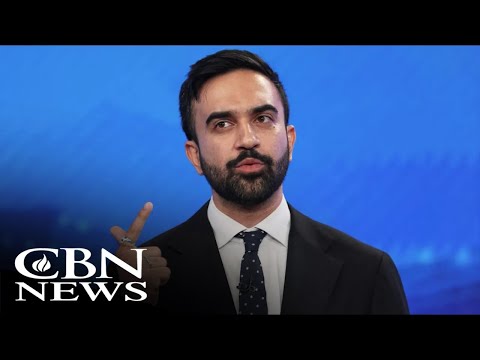
In recent political news, a significant candidate has emerged in the mayoral race for New York City. Zohran Mamdani, an American politician and self-identified socialist, is gaining attention and support from various sectors. With a platform that includes eliminating bus fares and creating city-run grocery stores, Mamdani has won the Democratic primary, defeating Andrew Cuomo. This trend raises important questions about the values and beliefs guiding the younger generation, particularly among millennials and Gen Zers, who are increasingly aligning themselves with Mamdani’s candidacy despite the potential implications of his policies.
Mamdani’s campaign is particularly noteworthy due to its strong backing from diverse communities. His financial support indicates a shift in political dynamics, suggesting that younger, more progressive voters are seeking representatives who reflect their views on diversity and social justice. However, the seeming contradiction lies in the fact that many supporters express skepticism about Mamdani’s socialist policies, questioning whether they believe these ideas could lead to real improvements in the city. This confusion calls for a deeper understanding of how faith and moral frameworks intersect with political choices.
The evangelical community traditionally emphasizes personal responsibility and the importance of community-oriented values. As such, the growing trend of supporting socialist policies, which often advocate for state-controlled solutions, may contrast sharply with these principles. Believers are called to reflect on the potential consequences of such governance. Mandani’s proposals include eliminating bus fares and creating city-run grocery stores—ideas that raise concerns over practicality and the overarching implications for communal welfare. The teachings of Christ encourage stewardship and wise management of resources, making it crucial for believers to consider whether such policies align with their faith-based values.
Furthermore, the notion of punishing the wealthy through increased taxation to fund public services raises serious ethical questions. In the Bible, the importance of generosity and caring for the less fortunate is a recurring theme, yet it highlights the need to cultivate an environment that encourages prosperity for all. Taxing the wealthy disproportionately might drive them away and diminish the very resources that a thriving community needs to flourish. It is essential for evangelicals to advocate for policies that balance support for the needy while also nurturing an atmosphere that fosters innovation and economic growth.
While the discourse surrounding Mamdani’s candidacy reflects a broader societal shift, it serves as a pivotal moment for the evangelical community to engage in thoughtful dialogue. Understanding the foundational values that underpin political decisions is essential. As individuals navigate the complexities of current affairs, they must align their choices with their faith, encouraging love, compassion, and practical solutions that uplift their communities without compromising their moral beliefs.
The future of New York City, and indeed of other urban centers, may hinge on how well these intersecting issues are addressed. The responsibility falls on the shoulders of those who hold faith dear to challenge ideas that may lead to division rather than unity. Engaging in civic life with a heart for service and truth can guide believers in fostering a society where liberty, responsibility, and moral integrity prevail.