**The Great Debate: Truth, Lies, and the Bigger Picture in American Media**
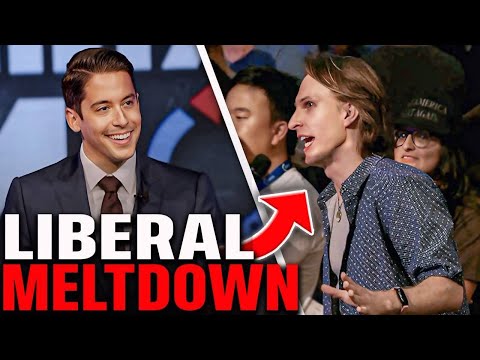
In a recent lively discussion featured on a conservative news channel, tension filled the air as participants delved into the current state of American media and the ongoing battle over what constitutes truth and falsehood. The two sides, one representing a more liberal perspective and the other strongly conservative, danced around topics of cancel culture, media regulation, and the integrity of public discourse, primarily sparked by the controversial figure of late-night host Jimmy Kimmel.
At the heart of the debate was the claim that the current administration has utilized “lawfare” and “cancel culture” in an attempt to control the narrative across media platforms. The liberal representative pointed out instances where it seemed that voices were being silenced, such as Kimmel’s brief cancellation. However, the conservative counterpart quickly jumped in to clarify that Kimmel’s show wasn’t truly canceled but rather had been affected by the fallout from statements he made about public figures, which some viewers deemed to be false. The crux of the argument was whether this type of pressure from the Federal Communications Commission (FCC) was a valid means of ensuring truthfulness on public airwaves or an infringement on free speech.
As they explored the intricacies of media regulation, the conservatives emphasized the role of the FCC as a crucial entity in maintaining standards for broadcasting, arguing that misleading statements could harm the public and should be monitored. This perspective hints at a traditional belief that holds that the government has a responsibility to protect its citizens from deceptive practices, especially when they occur in prominent spaces like television. The liberal side contended that this kind of oversight could dangerously tip into censorship, expressing fear that it would lead to a slippery slope where subjective opinions could result in penalties, stifling voices that might challenge mainstream views.
The discussion took another turn when the focus shifted to prominent figures like Robert F. Kennedy Jr. and their perceived attempts to consolidate power within their organizations. It was argued that such actions could lead to the suppression of diversity in thought within critical sectors, like health policy. However, the conservatives countered that appointing trusted allies within a cabinet or organization is a common and expected action after elections. From this viewpoint, the exchange highlighted that the backbone of American governance is change, and such changes reflect the will of the electorate.
Ultimately, the debate transcended just media regulation and the actions of certain public figures. The participants engaged in an introspective dialogue about the nature of truth and the complexities of free expression. As each side fought to define the boundaries between permissible discourse and untruths, a larger narrative emerged about the struggle for American self-governance. Conservatives expressed a confidence in the ability of the American people to discern truth from falsehood, emphasizing the importance of promoting honesty without leaning heavily into government-imposed regulations that could trample on individual liberties.
In the end, while the discussion may have been filled with moments of frustration and fervor, it served as a reminder of the pressing issues facing American society: How do we navigate the choppy waters of information in the digital age? Who decides what is true, and can self-governance truly thrive in a climate filled with competing narratives? As the winds of change continue to sweep across media landscapes, one thing is certain—the debate over truth, lies, and everything in between is far from over. The nation will need to continue having these difficult conversations if it hopes to reach a clearer consensus on the shared values that bind us together.