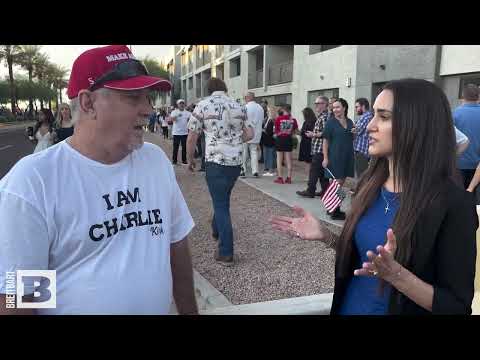
In recent political discussions, a tragic assassination has stirred a passionate dialogue surrounding free speech and the deepening divide in America. The recent event has brought to light the extreme risks faced by those who dare to voice conservative beliefs, particularly on college campuses, which have become battlegrounds for ideological conflict. The assassination of a prominent conservative speaker has ignited a call to action among supporters, prompting them to reflect on the state of free speech and the rampant hatred that has emerged from the political left.
Listeners of conservative commentators have expressed their admiration for individuals like Charlie Kirk, known for his calm demeanor and insightful debates. He has inspired many, even guiding some young people towards a journey of faith. His ability to remain composed amidst heated discussions has resonated with audiences, showcasing the importance of patience and kindness in today’s increasingly hostile environment. The outpouring of support following such a tragedy underscores the need for steadfast voices that champion conservative values and advocate for civil discourse.
As this incident unfolds, questions arise about the future of free speech on college campuses. Many are disheartened by the notion that merely expressing conservative viewpoints can lead to violence. The stark reality has created a sense of urgency for defenders of conservative beliefs to rise and continue the dialogue that Kirk and others have initiated. It is critical that the movement does not falter but rather finds new leaders who can take up the mantle of free expression without fear.
However, amidst the chaos, the left has attempted to shift the conversation around free speech to suit their narrative. The focus has mistakenly turned toward arguments that deflect from the real issue at hand: the chilling effect that violence has on open dialogue. While everyone deserves the right to free speech, the risk of physical harm should not be brushed aside by any side of the political spectrum. Advocates for free expression must redirect the conversation to the importance of civility and understanding, which are essential in bridging the divide in today’s society.
Moving forward, there is hope that individuals on both sides can learn from this horrifying event. Emphasizing unity and finding common ground should be the primary intention of any political discourse. The future of free speech in America hinges on the ability to recognize that while we may disagree, our shared value of dialogue is essential for progress. It is pivotal that conservatives remain vigilant and assertive in promoting their ideals while also fostering an environment that encourages respectful exchange of ideas. Only then can the destructive cycle of hate and division begin to heal and allow for a more inclusive America.