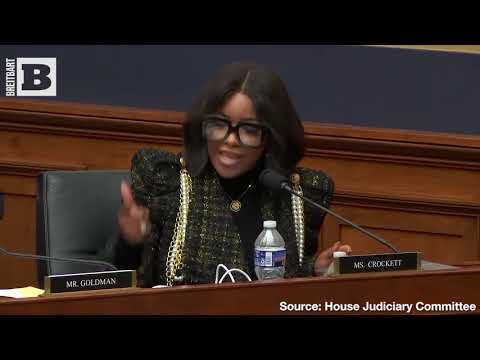
In a recent discussion on a conservative commentary show, a notable political event highlighted deep divisions within our nation regarding safety, law enforcement, and the underlying threat of extremism. This moment showcased the struggles faced by lawmakers as they navigate a political landscape fraught with tension and uncertainty. A speaker pointedly criticized the perception that our country is safe, underscoring that many, particularly in marginalized communities, do not share this sense of security.
The speaker emphasized that the recent political climate has resulted in Republican lawmakers receiving alarming death threats simply for exercising their right to vote on key issues, such as the leadership of the House. The gravity of these threats does not merely coincide with partisan disagreements but reveals a rising tide of political violence that is unacceptable in a democracy. Many in the conservative community have expressed deep concern about the role that the FBI and other law enforcement agencies play in ensuring the safety of public representatives.
Moreover, there is widespread doubt about the efficacy of the current administration’s approach to handling these threats. The criticism fell heavily on the FBI’s leadership, suggesting that valuable resources are being misallocated. Instead of focusing on root problems related to domestic threats, the FBI is perceived to be distracted by less pressing concerns—not to mention the fact that confidence in the FBI is faltering under the weight of its failures to act against real and present dangers.
The speaker noted troubling incidents of domestic terrorism, particularly targeting historically black colleges and universities (HBCUs). This points to a troubling trend, as communities of color continue to bear the brunt of violent acts that federal agencies seem slow to address. The concerns about white supremacy were front and center, linking it directly to rising crime rates and violence against innocent individuals. This narrative is crucial for understanding the urgency of the situation; the law enforcement community must respond decisively against these threats to maintain trust and safety.
In a broader context, this dialogue serves as a stark warning about the increasing fragmentation within American society. While some argue that safety has been restored, the reality for many citizens is quite different. The need for leaders who prioritize safety, fairness, and justice for all Americans—regardless of their background—has never been clearer. Conservative leaders must push back against the rhetoric that downplays threats and instead rally to protect the freedoms and rights of every individual facing these growing dangers. It is vital that we retain our commitment to addressing extremism and violence with the seriousness they demand. The future of our society depends on it.