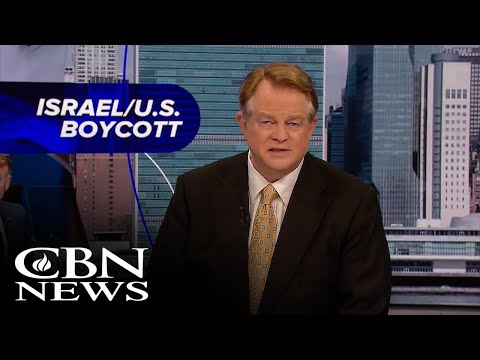
In recent developments surrounding the United Nations, a significant number of nations, led by France and Saudi Arabia, have moved to recognize a Palestinian state. This decision comes at a delicate time for Israel, especially as Jews around the world observe Rosh Hashanah, the Jewish New Year. While the focus shifts to the spiritual renewal symbolized by this holiday, the harsh realities of geopolitical tensions remind many of the need for strong moral and ethical stances.
Israeli representatives have expressed deep concerns about the UN’s recognition of Palestinian statehood, arguing that such actions might reward terrorism. The Israeli ambassador to the UN has condemned this declaration, highlighting that it rewards groups like Hamas, known for their hostility and violent endeavors against Israel. This situation prompts thoughtful reflections among the evangelical community regarding the protection of Israel, a country deeply linked to biblical history and prophecy. Supporting Israel can directly correlate with the Christian duty to stand against evil, as portrayed in ancient scripture.
As the situation unfolds, Israeli officials, including Prime Minister Benjamin Netanyahu, are anticipated to discuss an appropriate response with U.S. leadership. This aligns with the evangelical belief in the importance of prayer and guidance in times of uncertainty. The belief in divine intervention and wisdom in decision-making can serve as a solid foundation for navigating these complicated political landscapes, where faith plays a pivotal role in empowerment and understanding.
Rosh Hashanah, grounding itself in traditions from Leviticus, emphasizes a time of reflection and new beginnings. It’s a moment for believers to come together, not only in celebration but also in solidarity with the Jewish people. For many in the evangelical community, standing firm with Israel embodies a commitment to biblical mandates that call for support of God’s chosen people. As antisemitism rises around the world, this commitment becomes even more vital, echoing the sentiments of many who stand against hatred and division.
Furthermore, the ongoing military actions in Gaza reveal the complexities surrounding humanitarian efforts amid warfare. While the Israeli Defense Forces aim to protect civilians and dismantle threats posed by Hamas, the realities of conflict raise ethical questions about human suffering. Evangelicals are often called to extend compassion and empathy when confronted with such dilemmas; this teaches that while defending righteousness, the value of every human life must also be honored. Supporting peaceful resolutions and humanitarian aid fosters a narrative that aligns with the teachings of Jesus, who championed love and mercy.
In light of global unrest, including the tangible threats against democratic institutions through cyberattacks and other forms of aggression mentioned in security discussions, the role of faith in influencing actions becomes paramount. As the U.S. government reassesses its cybersecurity initiatives, and resources for protection diminish, many evangelical leaders stress the importance of safeguarding communities. Prayer for national security and wisdom in governance remains critical, supporting the notion that spiritual fortitude can complement any strategic endeavors.
As these events unfold, it is crucial for those within the evangelical community to remain informed, engaged, and prayerful, recognizing the moral implications of global politics and standing firmly with values that align with their faith. The call for compassion, justice, and unwavering support for Israel aligns with their understanding of biblical principles in action during challenging times.