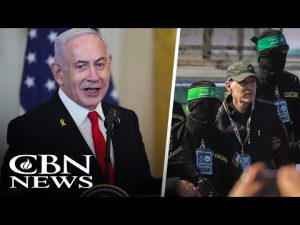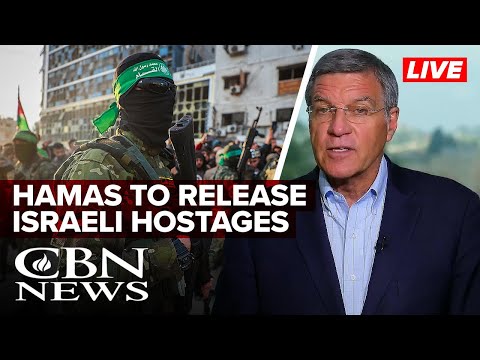
In a day marked by both hope and concern, Israeli Prime Minister Benjamin Netanyahu shared vital news about the ongoing situation involving hostages in Gaza. With nearly two years since the tragic events of October 7, when many were taken captive, there is a renewed hope for their return. Netanyahu outlined plans for the potential release of all hostages with God’s help, emphasizing a collaboration with President Donald Trump to pave the way for peace and the safety of those held. This proposition comes during a significant religious period marking the Sukkot, or Feast of Tabernacles, when Jewish families commemorate God’s protection during their journey through the wilderness.
The plight of the hostages still unaccounted for weighs heavily on the hearts of many. As prayers rise towards heaven, the taste of desperation mingles with the possibilities offered through political negotiations. The conditions under which the hostages have been living are harrowing, and prayers for their survival are crucial. Many in the evangelical community reflect on the power of faith during dark times, recalling stories of miraculous resilience. The belief that God can sustain those in dire circumstances serves as an anchor for hope.
President Trump has positioned himself as a key player in these negotiations, urging swift action on the part of Hamas to honor the commitments made regarding the hostages. His firm stance signals a readiness to end the violence and seek peace, impacting the broader dynamics within the region. However, there is trepidation that the negotiations could lead to unintended consequences, such as the potential for a Palestinian state. For many evangelical believers, the concerns about dividing God’s land echo the warnings found in the scriptures, particularly in the book of Joel, which speaks of divine judgment over such actions.
As the negotiations evolve, it is essential for believers to keep their hearts and minds focused on the welfare of all individuals involved, including those suffering under Hamas’s control in Gaza. There is a desire for peace that transcends any borders, calling for reconciliation and healing. The evangelical community, with its strong emphasis on prayer and moral responsibility, is encouraged to engage actively in seeking out God’s presence in the midst of complexities.
In this moment of uncertainty, the upcoming Day of Prayer for the Peace of Jerusalem becomes especially relevant. Thousands across nations will unite in prayer, seeking divine intervention for those who suffer and for the restoration of peace. It serves as a reminder of the faith that binds the community together as they lift their voices in unison for God’s kingdom to come among all people. In a world fraught with tension, such gatherings reinforce the belief that prayer can lead to profound change, interceding for those in desperate need of hope and salvation.
These events call for a collective response rooted in faith, recognizing that although the circumstances are dire, God’s plans often unfold in surprising ways. As the Sukkot celebration approaches, it serves as a poignant reminder of liberation, prompting prayers not only for the hostages but for Israel and the broader Middle Eastern landscape. The hope for a peaceful resolution remains, illuminated by faith and the fervent belief that prayer can move mountains, fostering change and healing in a fractured world.