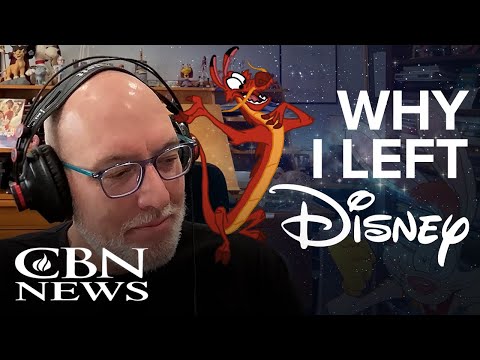
In a world increasingly driven by secular values, stories of individuals who choose faith and integrity over worldly success are powerful testaments to the enduring influence of Christian beliefs. Recent discourse surrounding Tom Bancroft, a former Disney animator and current contributor to faith-based animation, sheds light on the moral decision-making process that often defines the paths of believers in the arts. His experience illustrates a growing concern among evangelicals with the direction of mainstream media and the importance of aligning creative endeavors with one’s faith.
Bancroft, known for his work on beloved Disney films such as Mulan and The Lion King, decided to step away from a successful career at one of the most prestigious animation studios in the world. His decision to leave came during a period when he began to feel uncomfortable with the direction Disney was taking, which he viewed as increasingly secular and misaligned with his Christian values. This pivotal moment echoes the sentiments of many in the evangelical community, who express worry over the cultural narratives being perpetuated within mainstream entertainment. The concern is not merely about personal convictions, but about the broader impact that media can have on society’s moral framework.
Moving from Disney to VeggieTales might appear to be a step down for many. However, Bancroft’s shift represented a significant leap of faith, as he chose to invest his talents in a project that resonated more with his beliefs. VeggieTales, which has long been a staple in Christian entertainment, focuses on moral lessons through animated stories for young audiences. By working on this project, Bancroft embraced the opportunity to produce animation that not only entertains but also uplifts and teaches foundational Christian values. This choice reinforces the idea that artists and creators have the critical responsibility to align their work with their faith.
Bancroft’s narrative also challenges the notion that success is solely defined by career accolades or financial compensation. For many evangelicals, true fulfillment comes from serving a higher purpose, often found in acts of faithfulness and obedience to God’s calling. This perspective invites believers to reconsider what it means to live in a way that honors their convictions, rather than simply chasing after worldly success. In a time when Hollywood and other cultural institutions seem to prioritize profits over principles, stories like Bancroft’s remind the evangelical community of the importance of staying true to one’s values.
Moreover, as Bancroft now advances into new projects, he continues to pave the way for others in the industry to follow Christ-centered paths. His journey can inspire other creatives to seek opportunities where they can faithfully express their values, encourage moral discussion and, most importantly, share the love and truth of the Gospel through their work. It brings forth the hope that the tide can turn back toward meaningful storytelling that upholds divine principles, engaging audiences across generations.
Bancroft’s experiences show how artistic endeavors can be avenues for embodying faith and spreading the message of Christianity. As more artists like him step into their roles with courage and conviction, there lies potential for a cultural renaissance that honors God and reflects His truth. Evangelicals are reminded that faithfulness can lead to significant cultural impact, even in spheres where it may seem challenging to maintain one’s beliefs. This journey of faith exemplifies how prioritizing moral integrity can shape not just individual lives but also the cultural landscape itself.