**A Turbulent Time for Airlines: Is a Fix in Sight?**
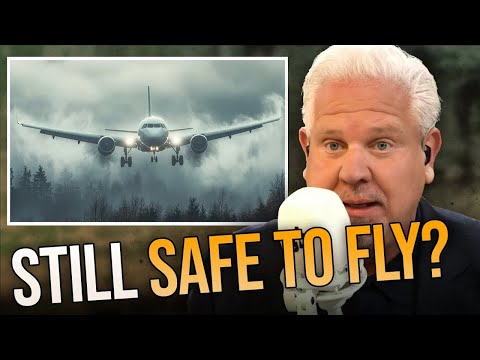
In recent days, a conversation has surged to the forefront of airline travel discussions. Mike Boyd, a well-known aviation expert, shared some serious concerns about the state of our airlines on a popular conservative news channel. If you’ve ever found yourself waiting at the airport longer than you expected, or worse yet—sitting on the tarmac with no idea when you’ll be in the air—you’re certainly not alone. Boyd painted a picture of a complicated and somewhat alarming situation that many travelers are starting to feel firsthand.
Boyd recalled an experience where a pilot, after a lengthy delay due to technical issues with the plane, addressed worried passengers. Instead of the usual corporate jargon, he took personal responsibility, urging passengers not to blame the airline but to blame him for refusing to fly a plane he didn’t trust. Such transparency might have been appreciated in the moment but also opened the floodgates to serious questions about airline safety and maintenance practices. If pilots are losing confidence in the planes they operate, what does it say about the state of our commercial air travel?
The issue is not just about one airline, according to Boyd. While he has a background with American Airlines, he mentioned that pilots across the industry are expressing concerns. Many travelers have reported feeling uneasy about their ability to reach their destinations on time, especially for important events like family gatherings or work commitments. With delays becoming more common, passengers have grown wary about whether they can truly rely on airlines to get them where they need to be, at least when it matters most.
Adding another layer to the conundrum, travelers are now questioning the efficiency of our air traffic control systems. Many agree that the current setup resembles something closer to a game of telephone than a sophisticated management system overseeing thousands of flights daily. Boyd pointed out that our airspace isn’t as crowded as one might think. With millions of cubic miles available, airport congestion should be manageable—but it often feels like navigating a busy highway during rush hour. The good news is that there are advocates pushing for a modernized air traffic control system, with new leadership stepping in, determined to tackle the bureaucratic hurdles that have held progress back.
What does the future hold? There’s growing optimism that the future of air travel could look not just better, but significantly more efficient. Boyd mentioned ongoing discussions regarding a “free-flight” system that would allow planes to navigate on their own within a vast expanse of airspace. Imagine a world where flights are scheduled more flexibly, and planes can actually route themselves without always heavy reliance on ground controllers! This kind of innovation could not only reduce delays but make the entire flying experience more enjoyable and less stressful.
So, while we’re currently contending with the griping and grumbling about airport waiting times and quality of service, there’s hope on the horizon. As airlines begin to realize that treating customers well can earn their loyalty, it’s also essential for them to address pressing safety concerns. This dual focus could be the key to restoring our faith in air travel, which, let’s be honest, feels a bit like a proverbial ride on a scruffy dog with one blue eye lately. It looks like the winds could be changing, and who knows? Perhaps it’s time for airlines to soar high again—updating their safety procedures, managing air traffic more effectively, and reassuring travelers that they’ll reach their destinations. After all, the sky should be the limit, and not a source of endless frustration!