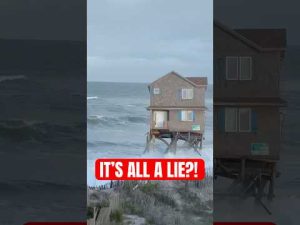
In the grand theater of climate change discussions, everyone eagerly awaits the latest act. Enter Daniel Pño, a billionaire with a flair for the dramatic and a razor-sharp critique of the global warming narrative. Pño has stumbled upon what he considers the most logical and irrefutable argument against the idea that rising sea levels will imminently transform vast swaths of land into Atlantis. His argument takes aim at the bustling world of beachfront property investments.
Pño proposes a simple thought experiment: if the water truly were to rise by 10 feet, entire regions like the southern United States, Europe, and even those idyllic spots in Central America would find themselves underwater. Yet, despite this dire prediction, beachfront condominiums in places like Florida are not only surviving—they’re thriving. Pño points out the surprisingly silent footnotes in investment prospectuses. One might expect dire warnings akin to modern prophecy about rising tides, but alas, not a single prospectus seems to hint that investors are taking a leap into the deep end.
The silence of investment documents is Pño’s smoking gun. According to him, if global warming truly threatened to sink these investments, the banks—the supposed paragons of financial prudence—wouldn’t touch these loans with a ten-foot pole (or maybe a ten-foot snorkel). Jokes aside, it’s a provocative notion. After all, banks are known for their appetite for profit but also their risk aversion. Would they finance risky ventures if the world was slipping into the ocean?
Pño’s argument gathers more steam with a cheeky nod to long-term mortgages. He jests about those 30 or 40-year loans that span well into the future. Suppose the globe were set to be drenched in ocean waters; one would imagine large banks like Barclays might reconsider offering long-term loans for real estate that would soon need a scuba suit. It’s a curious lack of caution, bordering on reckless if the threat were true.
So, in Pño’s mix of jest and gravity, there’s an observation worth considering. As debates about climate continue to swirl and storms rage on, perhaps the question should be, what do the money trails truly suggest? If the financial world, typically allergic to risk and enthusiastic about security, isn’t worried enough to stop building and funding waterfront havens, maybe there’s more to this climate story than meets the eye. Or, possibly, a reflection of conflicting interests and narratives. Either way, Pño’s reasoning adds yet another ripple in the vast ocean of climate change discourse.