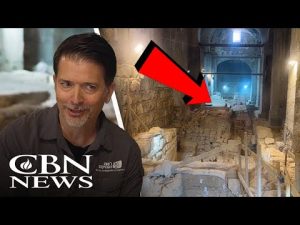
In the heart of Jerusalem, a significant archaeological discovery is taking place. This site, located just inside the Jaffa Gate, promises to unlock a wealth of history that is vital to understanding not only the past but also the religious significance of the city today. The ongoing excavation at the Kishlay in the Tower of David complex highlights Jerusalem’s rich heritage, stretching from ancient times through significant events in Jewish history, including the Hanukkah story. This discovery reiterates the connection between faith, history, and identity that the evangelical community holds dear.
Led by archaeologist Amit Re’em, the excavation began within the confines of a British jail that was built near the Kishlay in the 1930s. This space, once a place of confinement, is now revealing fascinating remnants of Jerusalem’s past. According to the findings, archaeologists believe they may have uncovered the foundations of one of King Herod’s palaces from the first century BC. This specific site is crucial, as it aligns with the narrative of Jewish endurance and renewal, epitomized by the battle against Greek Syrian oppressors, ultimately leading to the rededication of the Second Temple, an event celebrated during Hanukkah.
The complex interaction between the layers of history at this site embodies the eternal struggle of the Jewish people for freedom and faith. For evangelicals, understanding these historical events through a biblical lens is essential. The story of the Maccabees and their fight for religious freedom serves as a reminder of the importance of resisting oppression and preserving one’s faith. The place where these archaeological finds rest represents more than mere dirt and stones; it signifies the heart of belief and the unyielding spirit of a people who stood firm against adversities.
Within a few years, the Tower of David Jerusalem Museum will implement innovative ways to showcase these archaeological findings to the public. Plans include the installation of a floating glass floor that will allow visitors to view the ancient layers of Jerusalem beneath their feet. Museum director Eilat Lieber emphasizes the importance of connecting modern history with the deep and rich past of the city. For evangelicals, such connections reinforce the notion that faith must be anchored in history. The stories of the faithful are interwoven with the very ground of Jerusalem, providing a vivid tapestry of God’s hand throughout generations.
Engaging with artifacts and historical narratives enriched by projection technology will allow visitors not only to witness history but also to experience it in a personal manner. By educating the public on these ancient stories, the museum offers an opportunity for evangelicals to deepen their understanding of biblical texts and the significance of Jerusalem as a spiritual center. The project aims to draw people closer to the historical scope of their faith, inspiring both remembrance and reverence.
Overall, the archaeological work currently being performed in Jerusalem serves as a clarion call to evangelicals around the world. It presents an opportunity to reflect on faith’s power to transform societies and withstand challenges. In recognizing the importance of preserving history, evangelicals can find renewed purpose in advocating for the spiritual and moral lessons derived from the past, ensuring that the stories of resilience and faith continue to be told for generations to come.