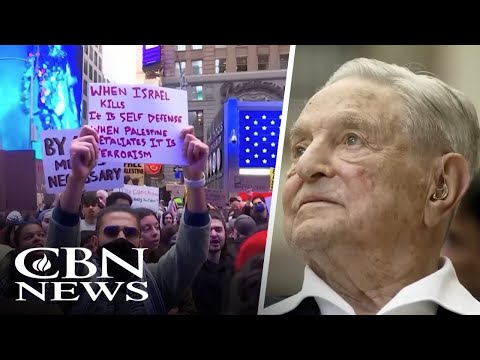
Recent discussions have emerged surrounding the influence of wealthy individuals on protests and social movements across the United States. This influence raises significant questions about the motivations behind certain demonstrations, particularly those related to immigration enforcement and law enforcement agencies such as ICE. Reports have suggested that some protests against ICE may be financially backed, potentially undermining the foundational beliefs of justice and order that many hold dear, especially within the evangelical community.
Many protestors participating in anti-ICE demonstrations have been observed supporting wider political agendas, sometimes aligning with movements that advocate for open borders and less rigorous immigration laws. Such movements can appear to conflict with the values of law and order, which are foundational to both the rule of law and societal stability. For many evangelicals, the call for justice extends to all people, including respect for immigration laws that protect the integrity of the community and ensure safe living conditions for all residents.
The issue intensifies when considering the sources of funding for these protests. According to reports, some of the financial backing comes from organizations connected to individuals whose goals may not align with traditional family and faith values. This infusion of money into social movements raises alarms about potential hidden agendas that are counter to the teachings of compassion and accountability found within scripture. Evangelicals often emphasize the importance of addressing the well-being of individuals while also upholding justice, which can create a tension between compassion for immigrants and the need for lawful processes.
Furthermore, this funding is not limited solely to protests against immigration enforcement. Groups reportedly receiving financial support include those linked to a broader anti-establishment narrative that seeks to challenge law enforcement and societal norms. This challenges communities that strive to support a peaceful coexistence based on shared values of morality and a commitment to uphold the law. Evangelicals are being called to discern and challenge any movements that seek to create chaos or undermine established order, promoting instead a message of peace and hope underpinned by lawfulness.
The growing realization of these dynamics places an imperative on the evangelical community to engage thoughtfully in political discourse. As leaders in faith communities, there is a responsibility to speak out against any misuse of resources that could lead to social instability and conflict. The lessons from scripture remind believers of the importance of pursuing righteousness and justice for all, which means advocating for effective legal frameworks that honor both humanity and the law.
By recognizing the implications behind funded protests and their alignment with broader agendas, evangelicals can remain committed to fostering dialogue that builds bridges rather than divides. It is crucial for faith-based communities to address these issues with both compassion and a firm stance on justice, urging others to account for the value of order in society even as they extend grace to individuals seeking a new life. This balance will be vital in navigating the current social landscape, which calls for discernment and proactive engagement rooted in faith.